



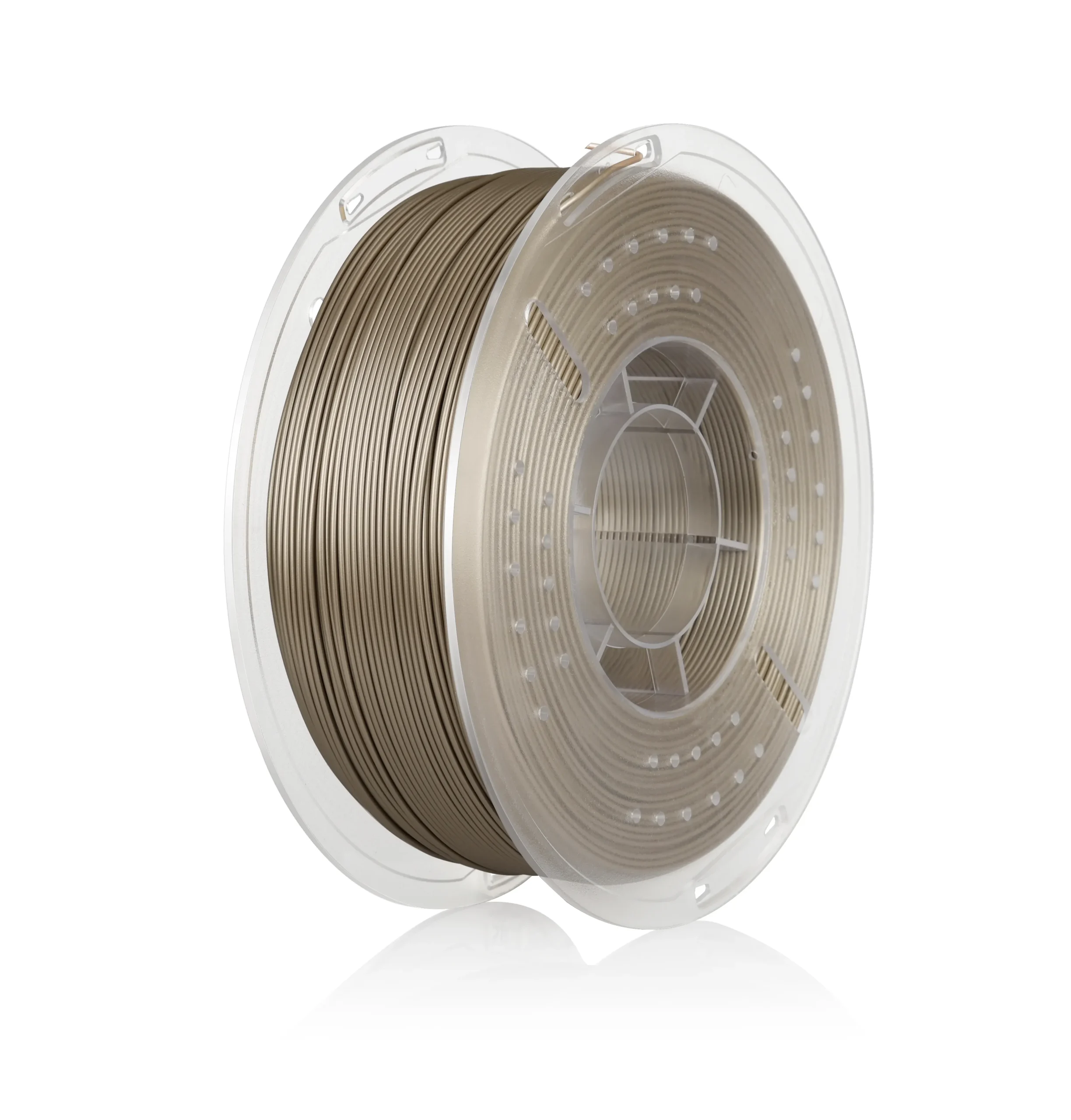
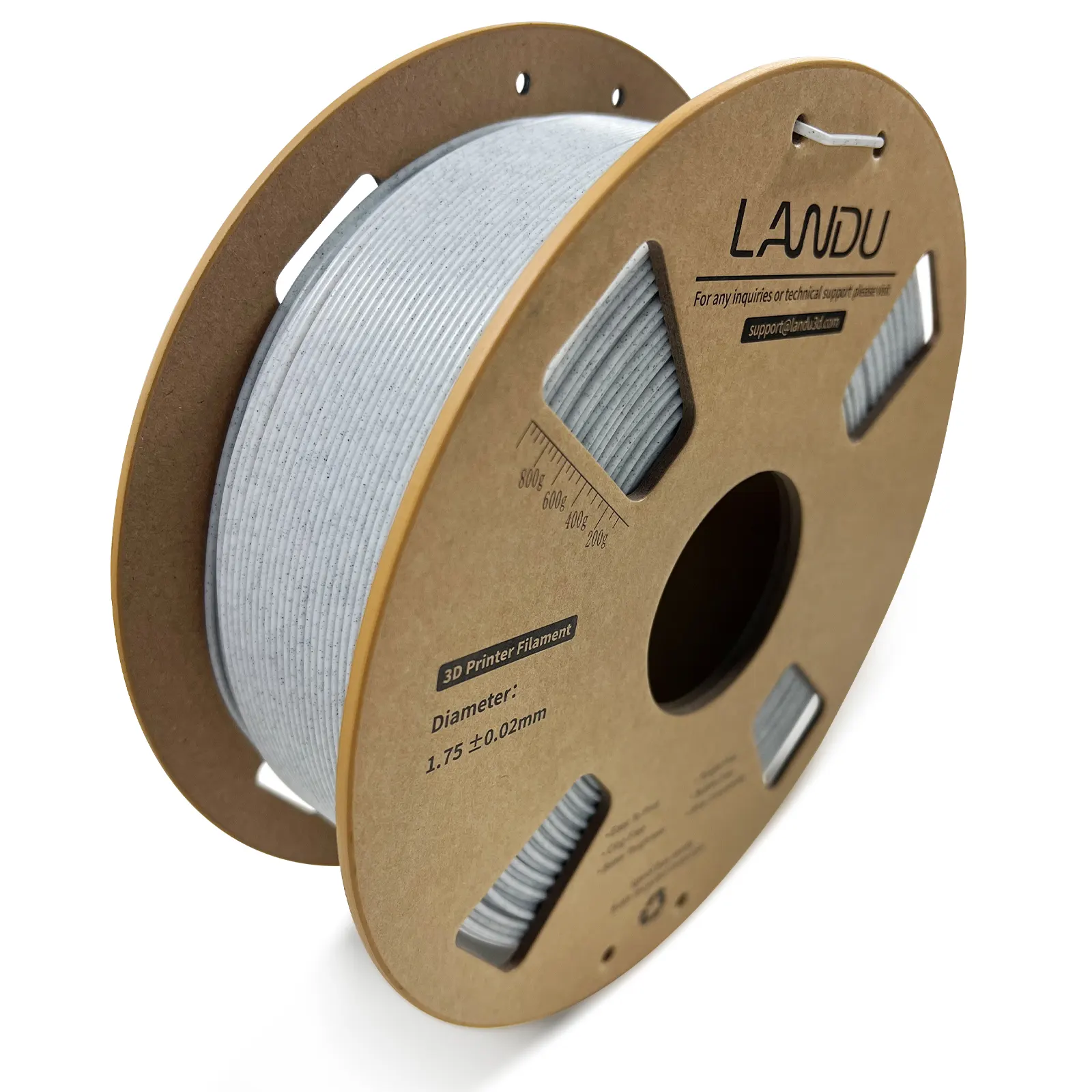

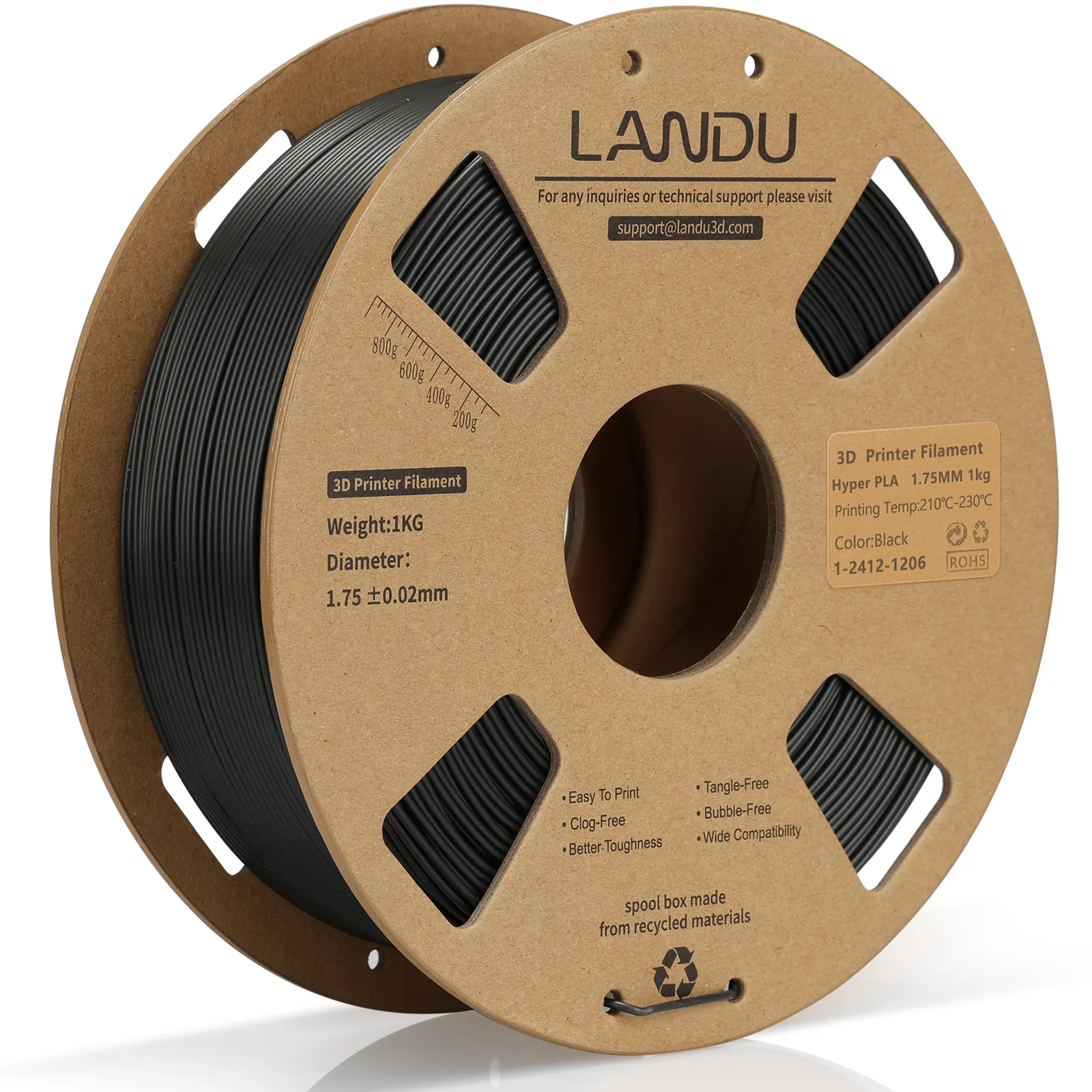
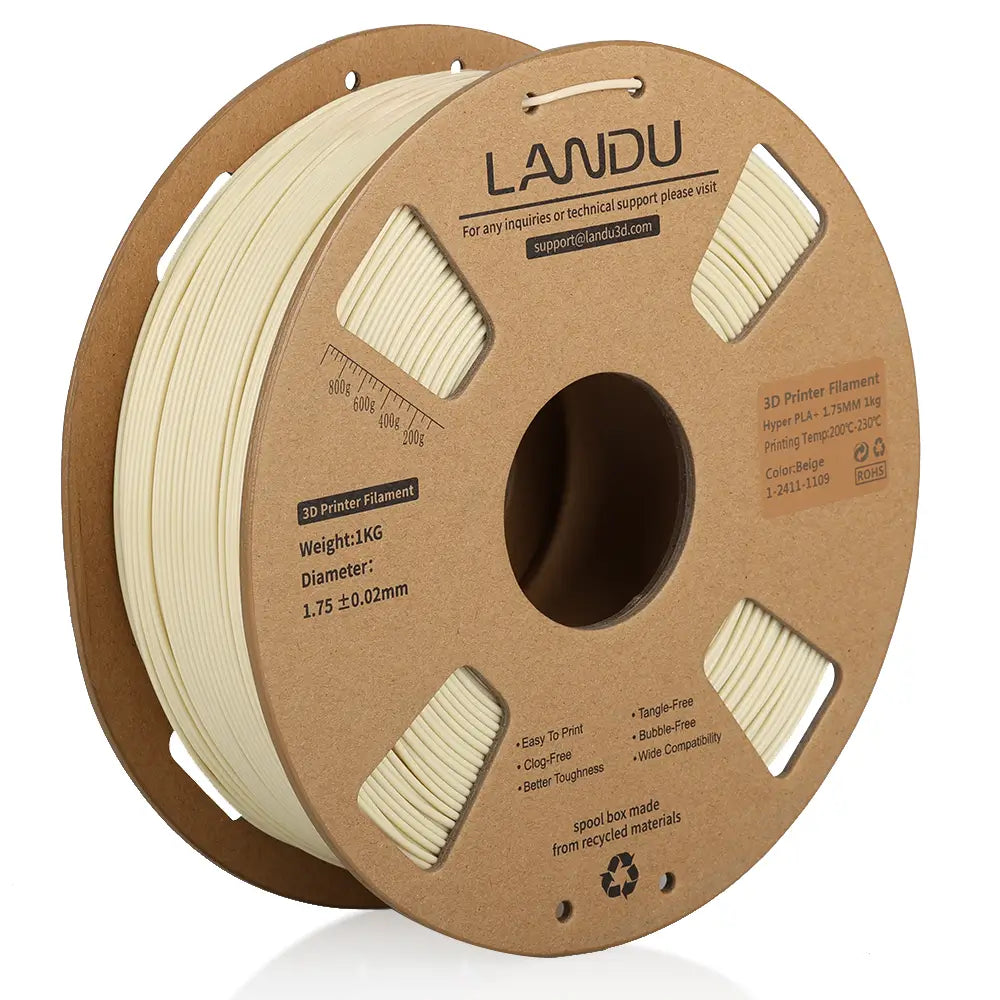


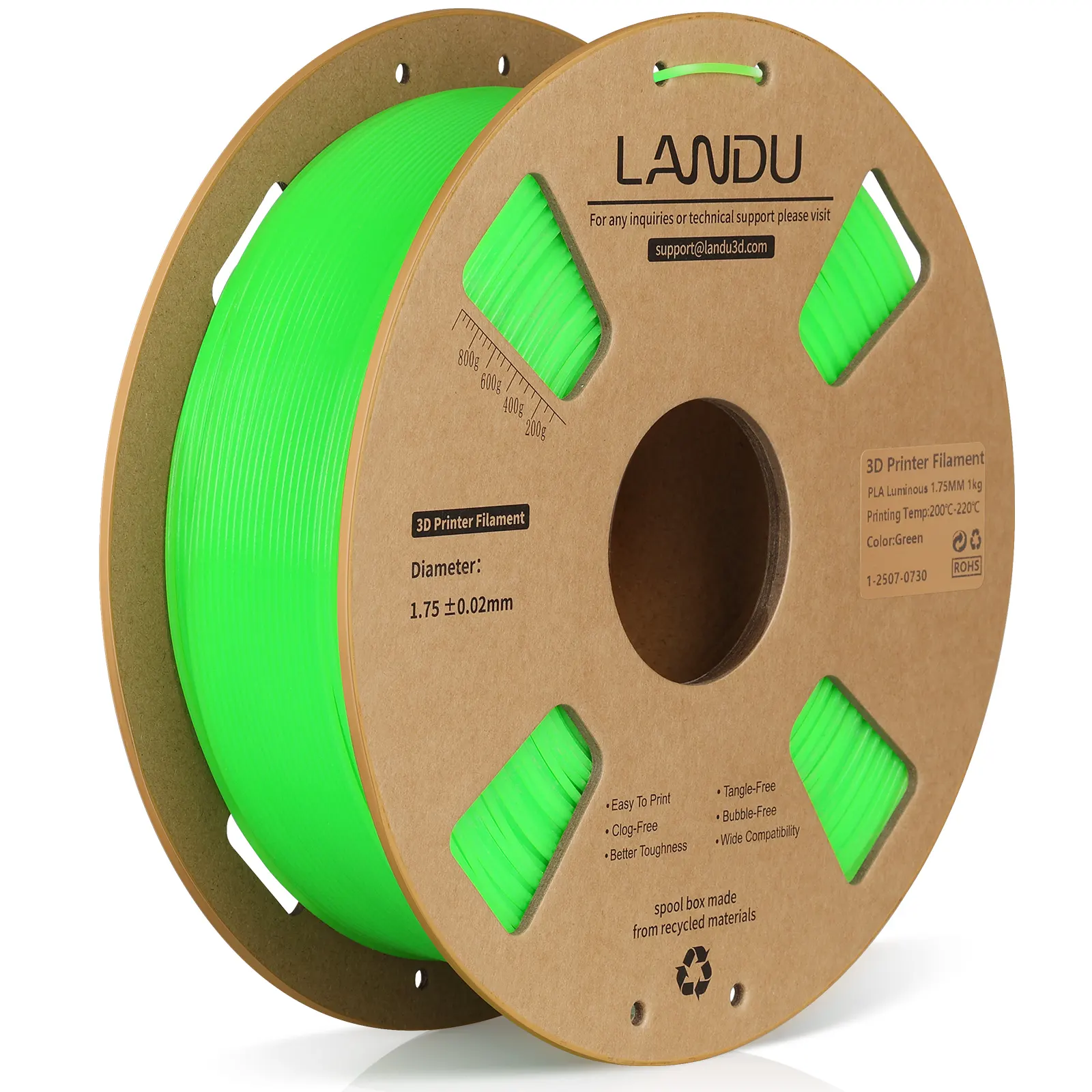


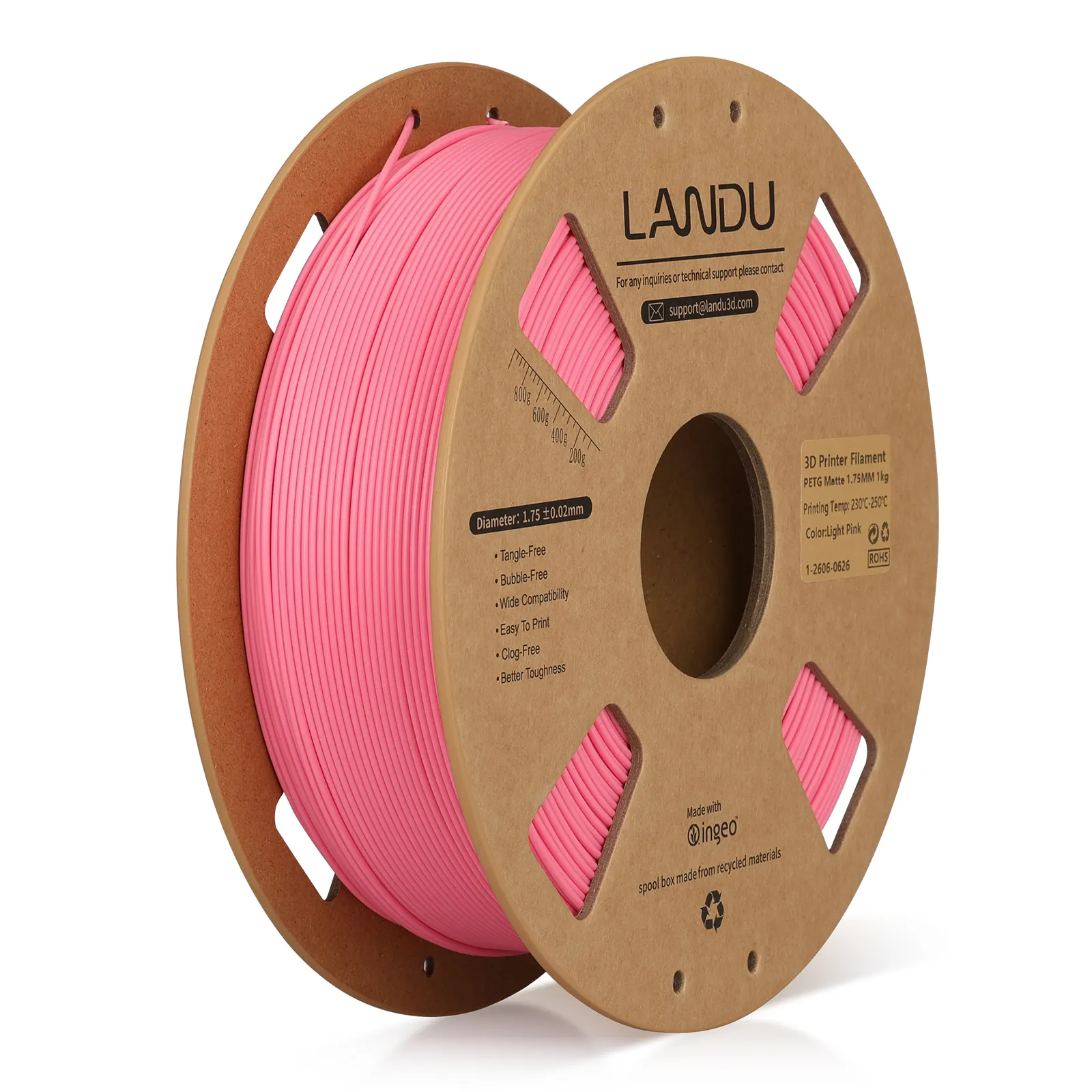







Most filaments absorb moisture from the air. Wet filament causes popping, stringing, rough surfaces and weaker parts. A simple routine keeps every spool ready to print.
Know the signs of wet filament
Listen for crackling at the nozzle and look for fine bubbles or a fuzzy surface finish. Nylon, TPU and PETG show these symptoms first, but PLA is affected too over time.
Dry before you print
A dedicated filament dryer gives the most consistent results because it controls temperature and airflow.
- PLA: around 50 °C for 4–6 hours
- PETG: around 65 °C for 4–6 hours
- TPU and nylon: follow the material data sheet
Store sealed between jobs
Return spools to resealable bags or boxes with fresh desiccant. For materials you use daily, feeding directly from a dryer is the simplest option.
LANDU dryers are designed around this workflow, so you can dry, store and print from the same unit.