Free worldwide shipping on bulk orders over $199

Kategorie: Business Insights

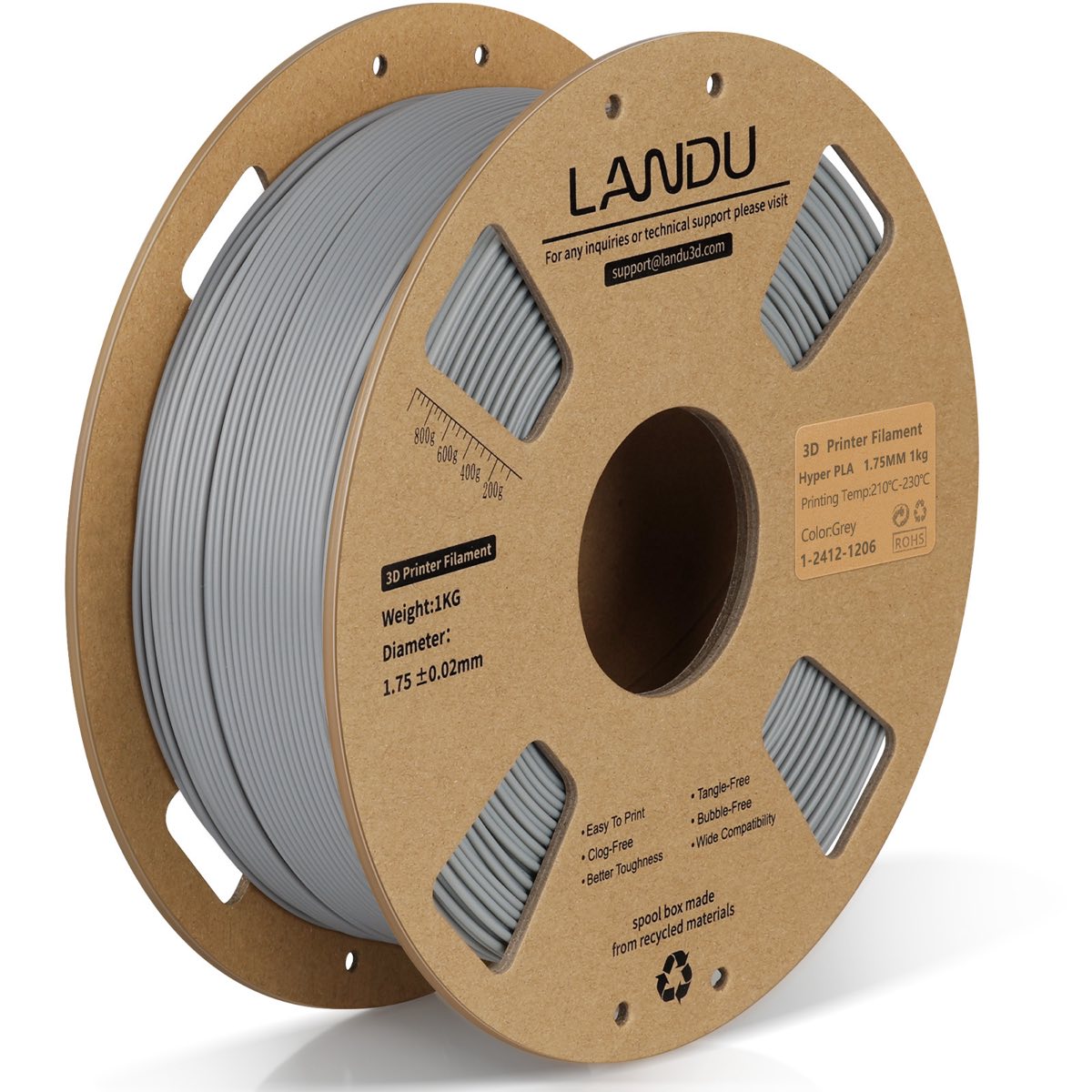
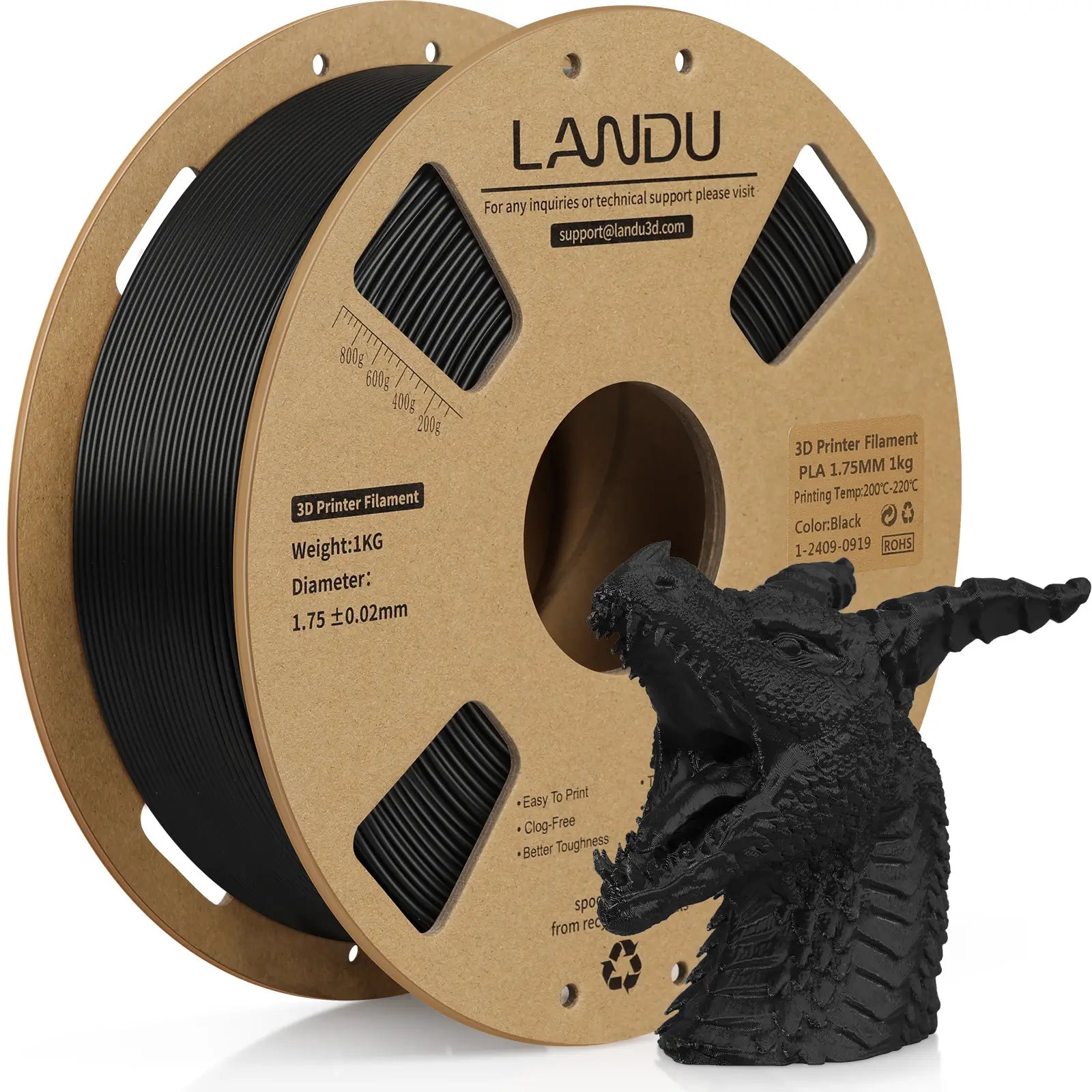
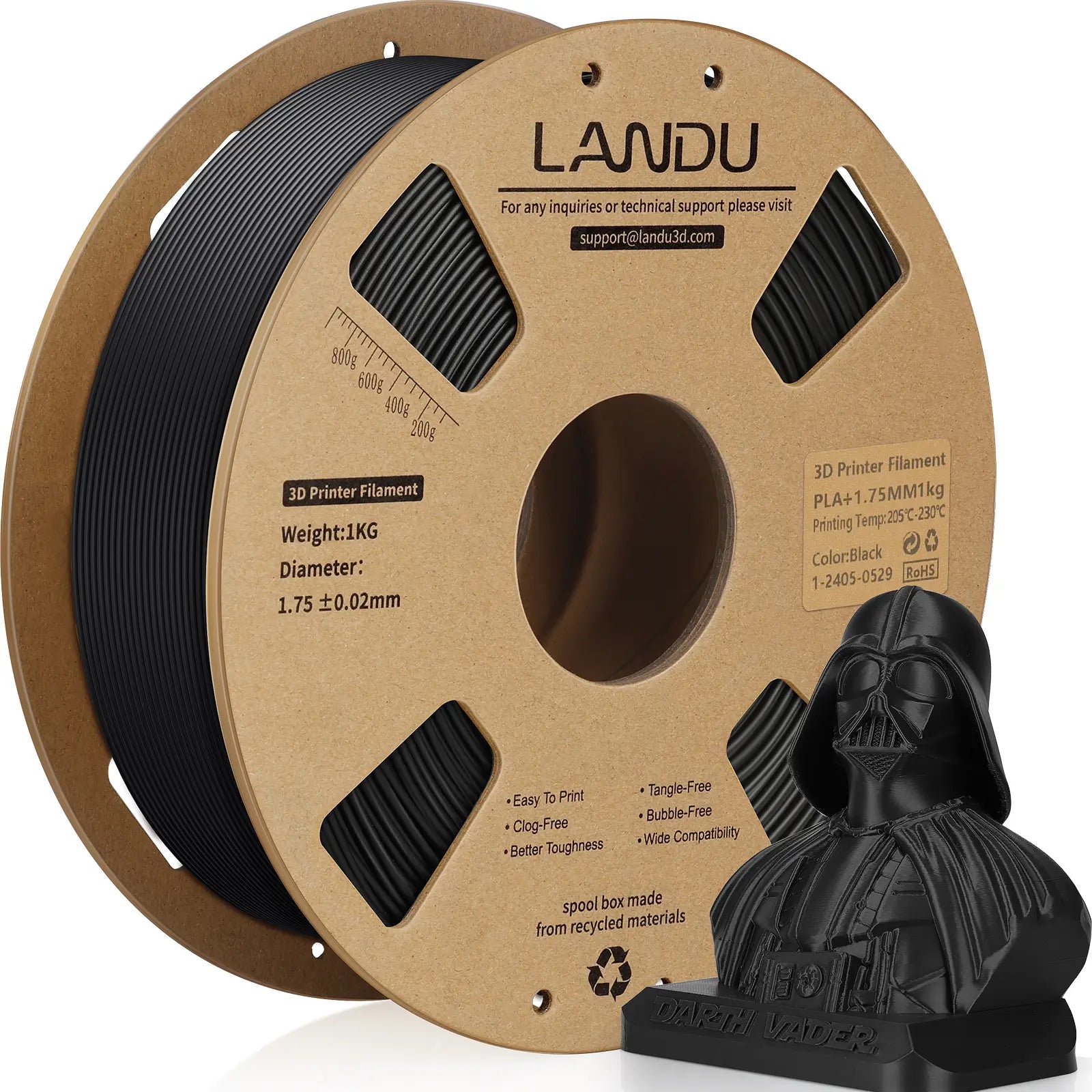
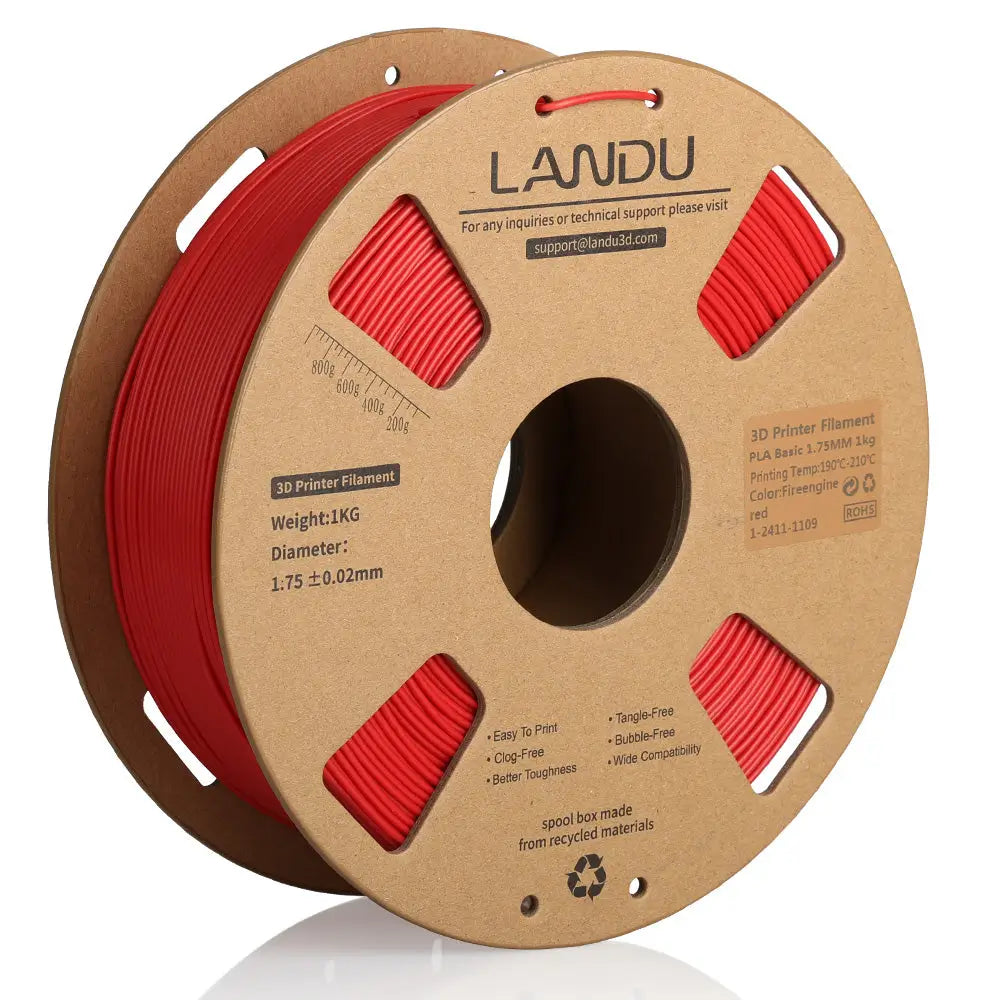
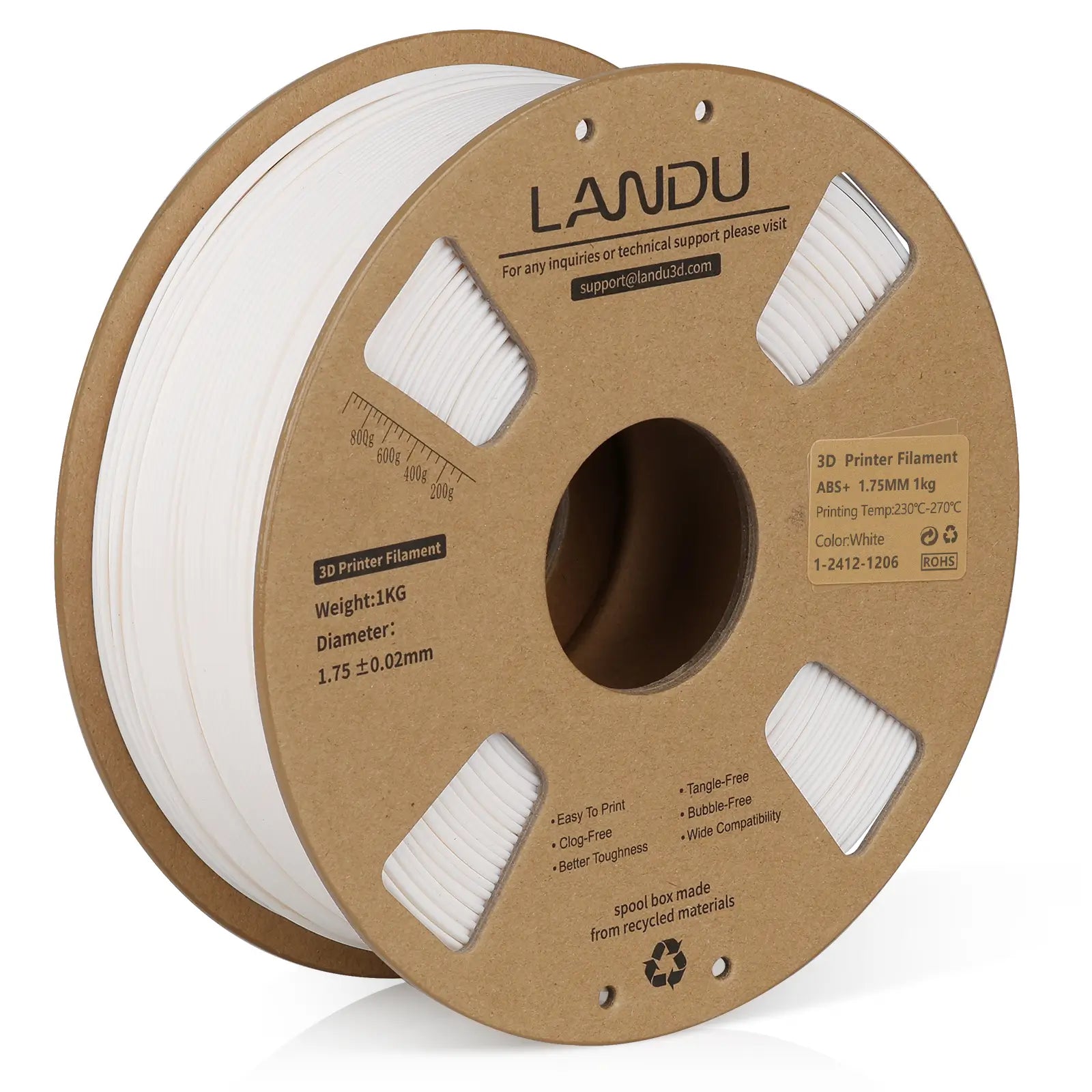
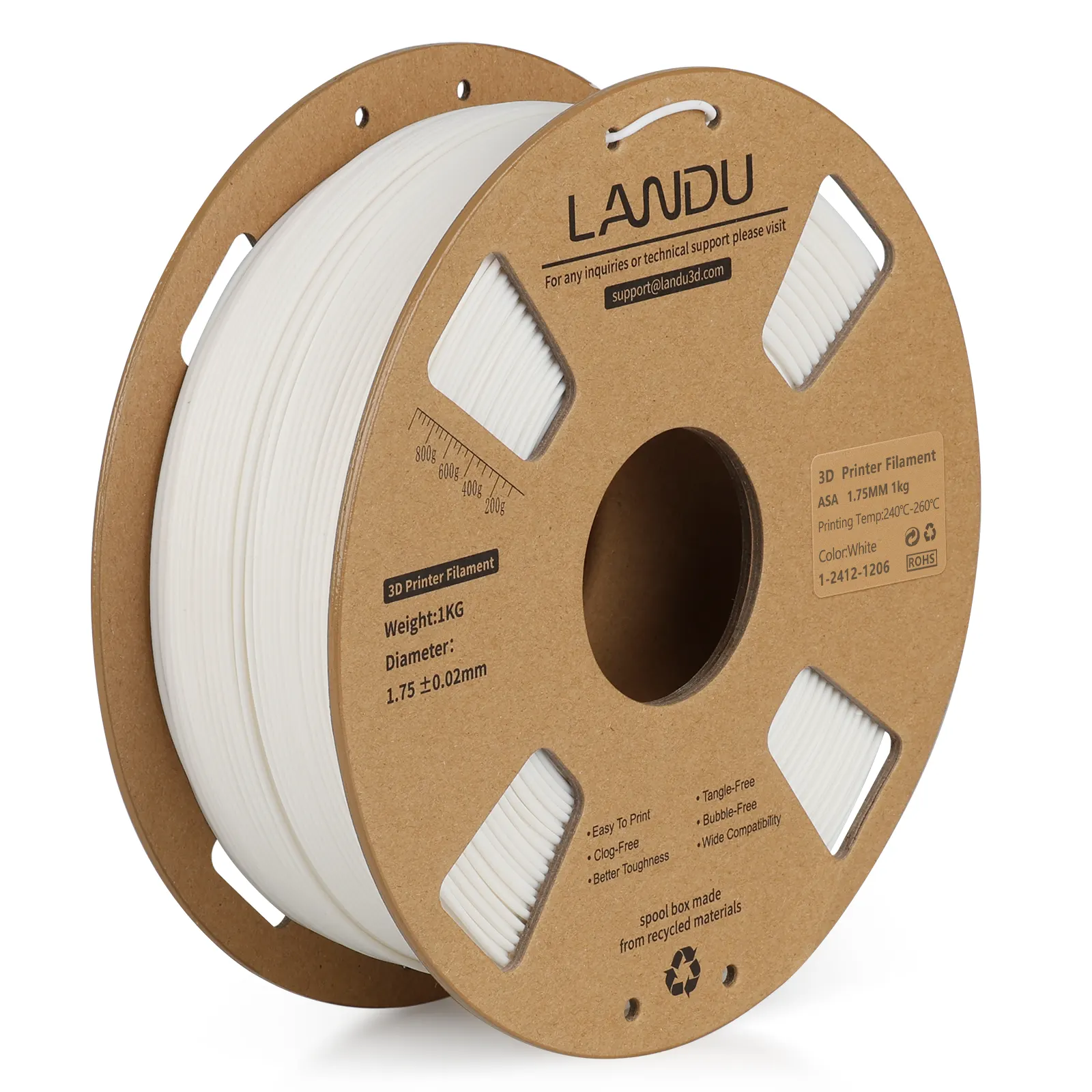
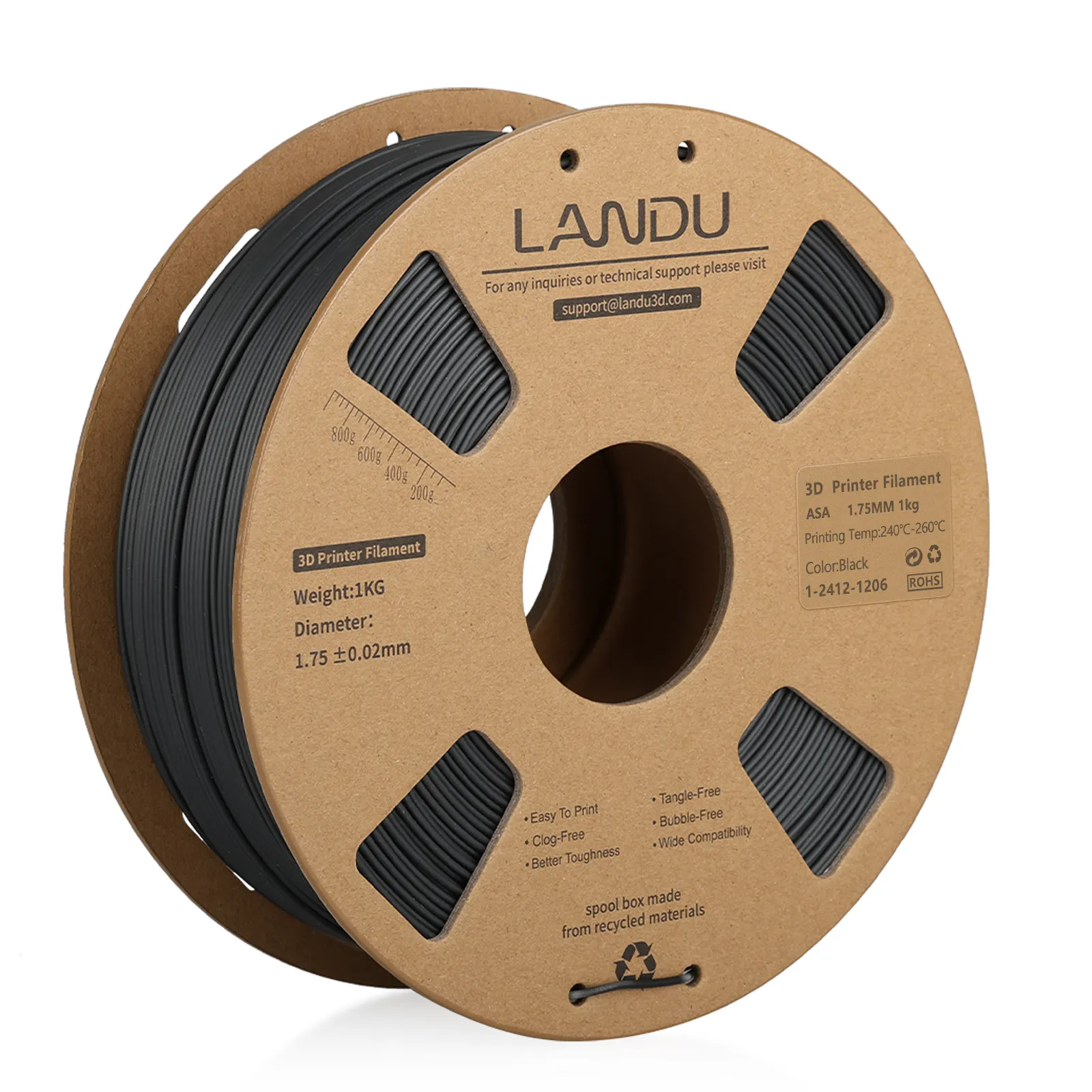
  • Why every LANDU spool ships on recycled cardboard

    Why every LANDU spool ships on recycled cardboard

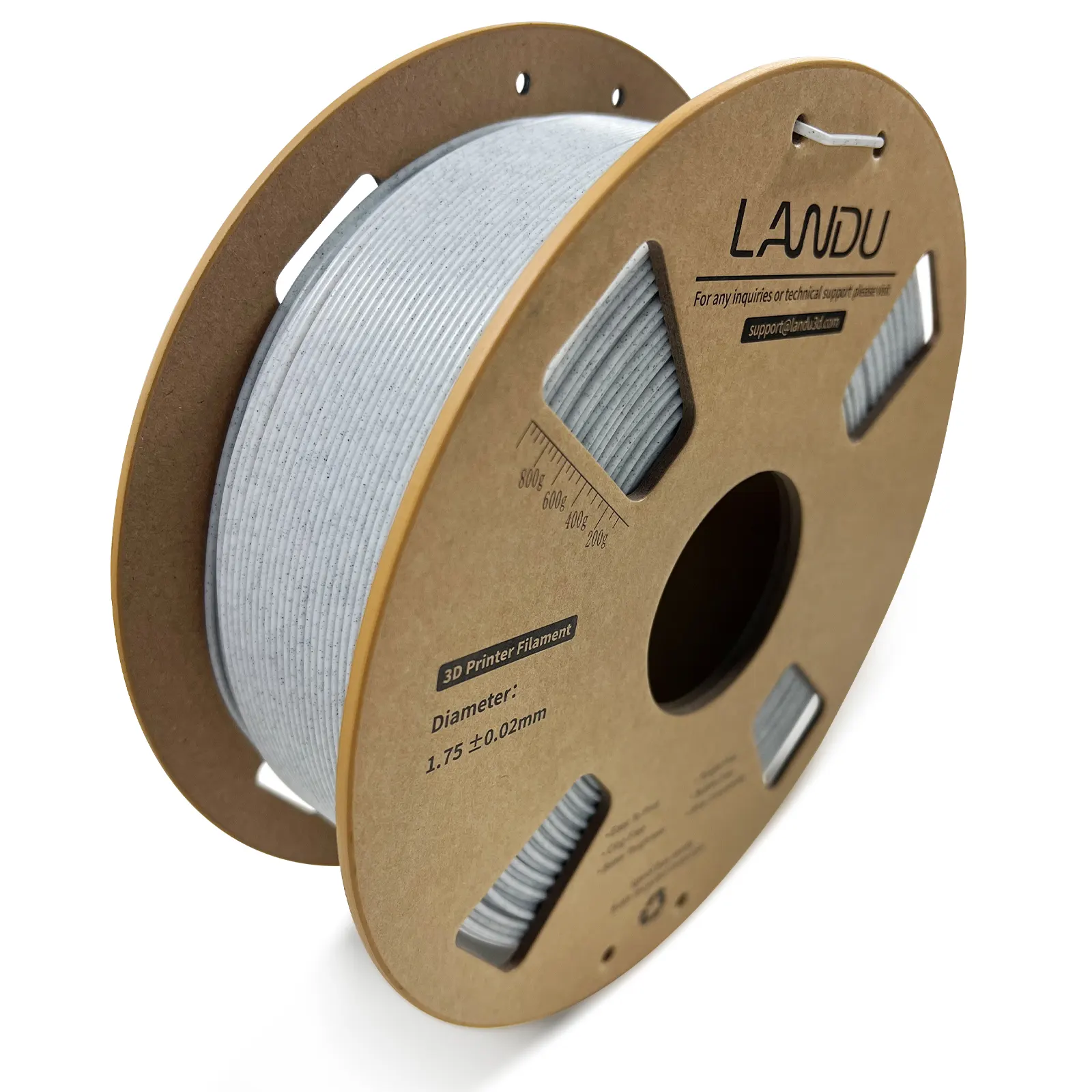
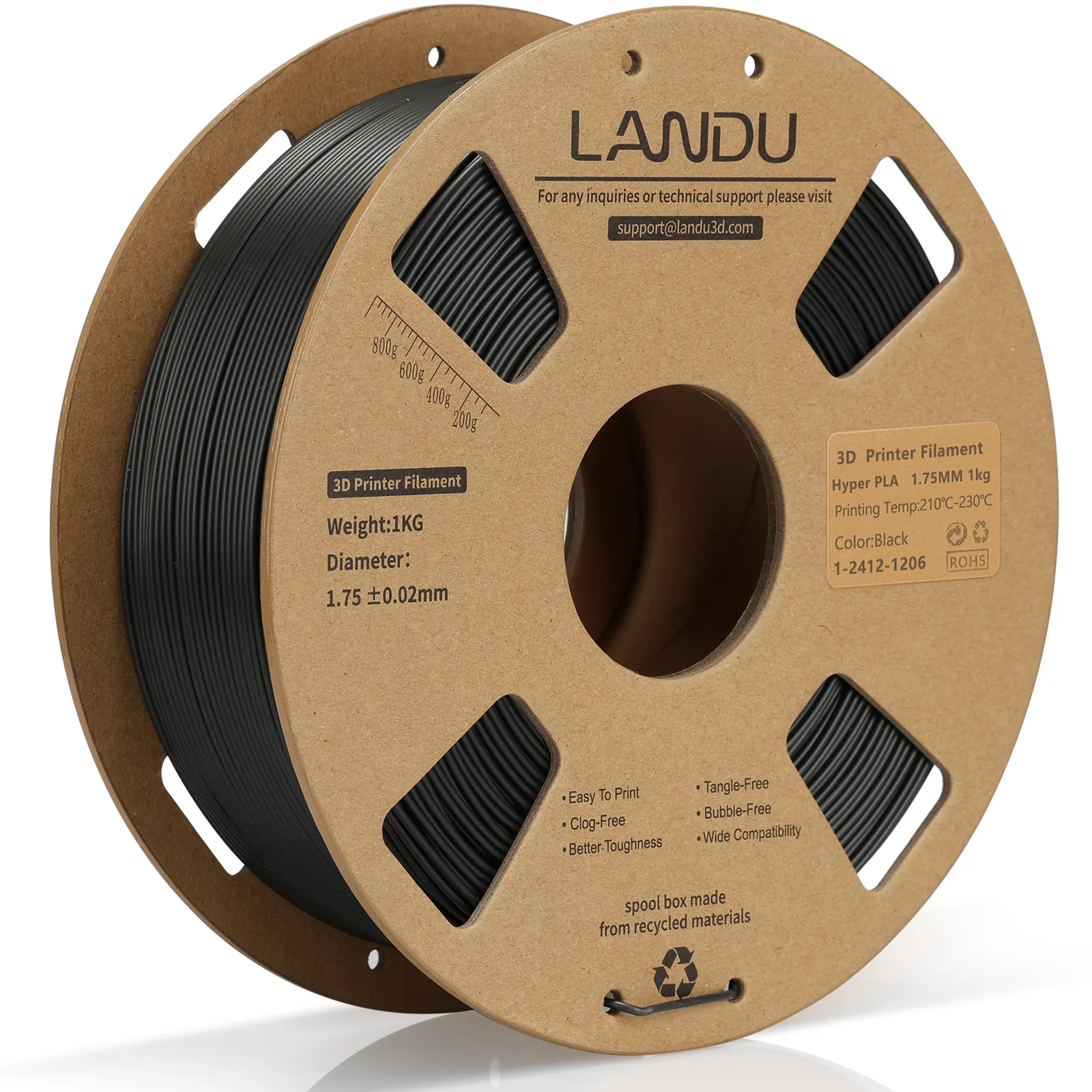
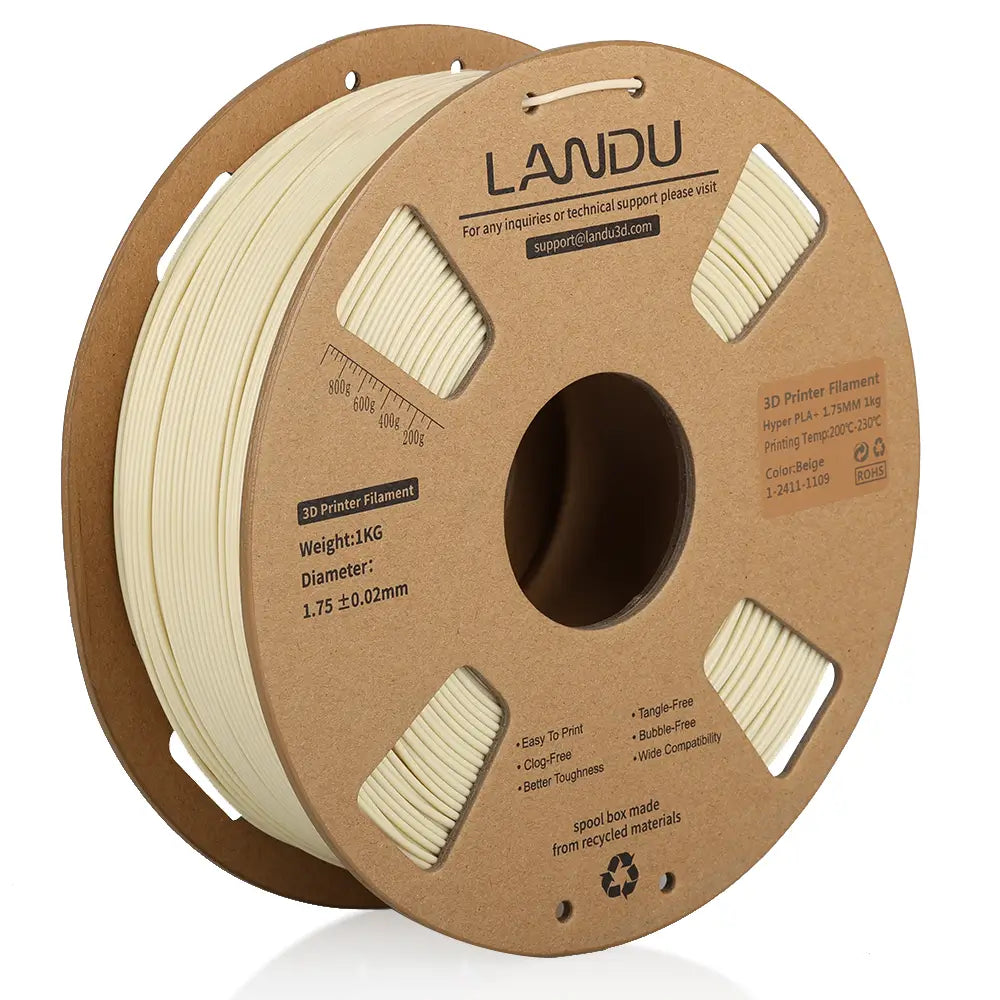
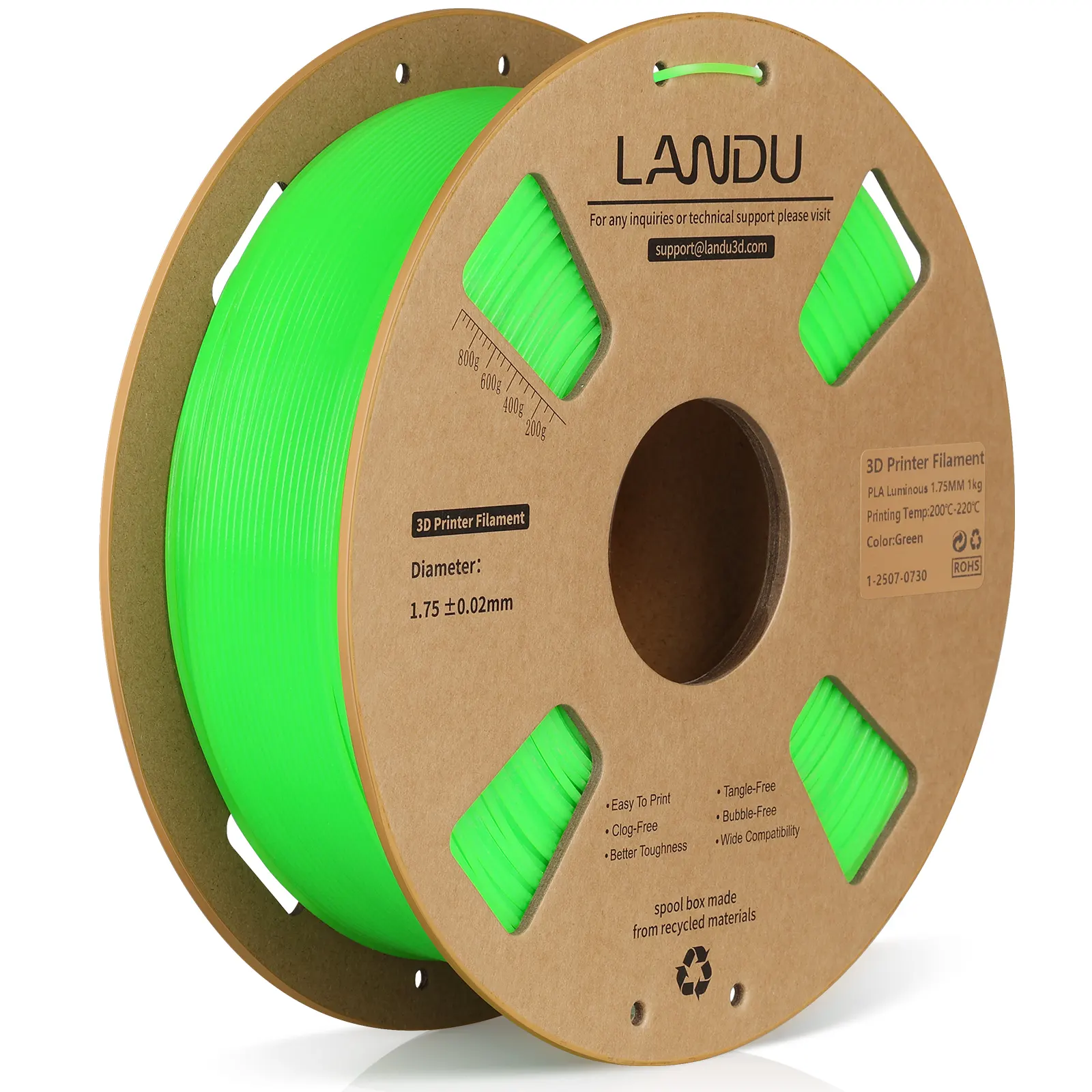
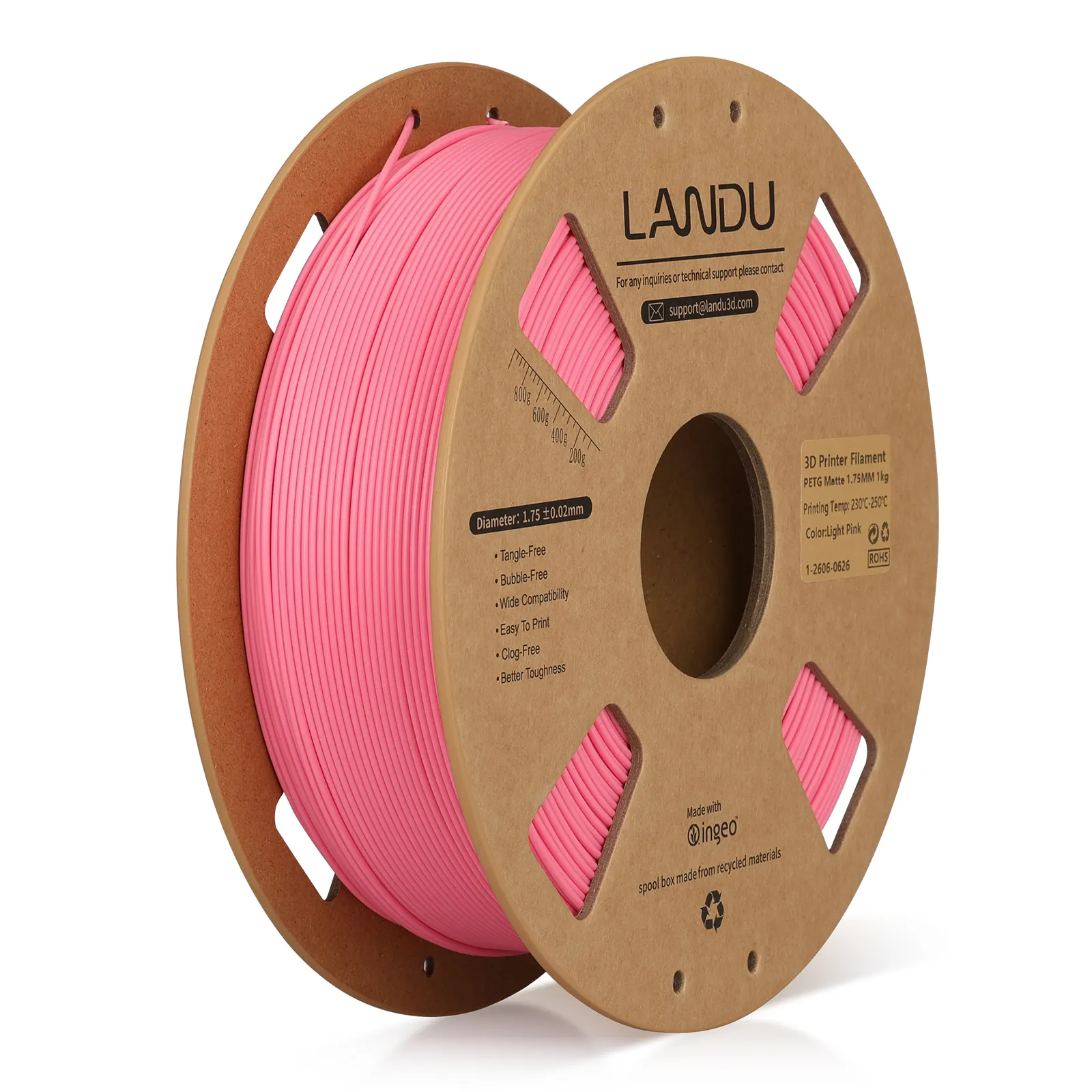
    Plastic spools add up quickly in a busy print room. LANDU uses recycled cardboard spools across the filament range to cut plastic waste without changing how you load and print.

    Designed for real printers

    The spool dimensions follow common standards, so they fit most holders and automatic material systems. Reinforced edges keep the cardboard stable during shipping and long prints.

    Better for storage and disposal

    Empty cardboard spools can go straight into paper recycling in most regions. They are also lighter, which reduces shipping weight on bulk orders.

    • Lower plastic waste per kilogram of filament
    • Lighter cartons for distribution
    • Easy recycling at the end of use

    Tips for printing from cardboard

    If your printer uses a metal spool holder, a printed adapter ring or a light coat of tape on the rim keeps rotation smooth and avoids cardboard dust.

    Cardboard spools are one small part of how LANDU approaches packaging for distributors and private-label partners.

  • Plan your private-label filament range

    Plan your private-label filament range

    A private-label filament range is more than a logo on a box. Clear decisions on materials, colors and packaging make the project faster and the result more consistent.

    Define the range

    Start with the materials your customers already print and the colors they buy most. A focused range is easier to stock and promote.

    Agree on packaging and branding

    Spool type, label layout, carton design and documentation all affect how the product looks on the shelf.

    • Spool format and net weight
    • Label artwork and regulatory text
    • Carton quantities and pallet layout

    Plan samples and timelines

    Approve color and print samples before mass production, then align lead times with your launch plan.

    Share your brief with LANDU and we will help you turn it into a production-ready plan.

  • Choosing colors for a cohesive product range

    Choosing colors for a cohesive product range

    Color sells filament, but it is also one of the hardest things to agree on remotely. Physical samples remove guesswork and keep a range consistent over time.

    Work from physical samples

    Screens and printed charts rarely match a printed part. Compare printed color plaques under the same light.

    Think in families

    Group colors by finish and purpose so the range feels intentional.

    • Core neutrals for everyday printing
    • Seasonal or trend colors
    • Special finishes such as matte or silk

    Lock in consistency

    Record approved references and check new batches against them before shipping.

    LANDU can provide color plaques and batch references to support your range planning.

  • From sample to supply: planning a bulk order

    From sample to supply: planning a bulk order

    Moving from samples to regular supply is easier when both sides share the same specification. A short checklist keeps the discussion focused.

    Confirm the specification

    Lock the material grade, diameter tolerance, color references and spool format based on approved samples.

    Agree on volumes and logistics

    Order frequency, carton quantities and delivery terms all influence lead time and price.

    • Forecast monthly and peak volumes
    • Choose packaging per region or channel
    • Confirm documents such as TDS and SDS

    Plan quality checks

    Define how incoming batches will be checked and how feedback is shared.

    Contact LANDU with your forecast and specification, and we will propose a supply plan.

  • Inside LANDU’s filament production line

    Inside LANDU’s filament production line

    Consistent filament starts long before the spool is wound. LANDU controls each production step in-house to keep quality predictable from batch to batch.

    Material preparation

    Raw materials are dried and blended to precise ratios before extrusion, so color and properties stay consistent.

    Extrusion and diameter control

    Inline measurement monitors diameter continuously and adjusts the line in real time.

    • Continuous diameter and ovality monitoring
    • Controlled cooling for stable dimensions
    • Batch traceability on every spool

    Testing before shipping

    Samples from each batch are print-tested and checked against reference parts before packing.

    Want to see more? Contact LANDU to arrange a factory visit or request batch documentation.