
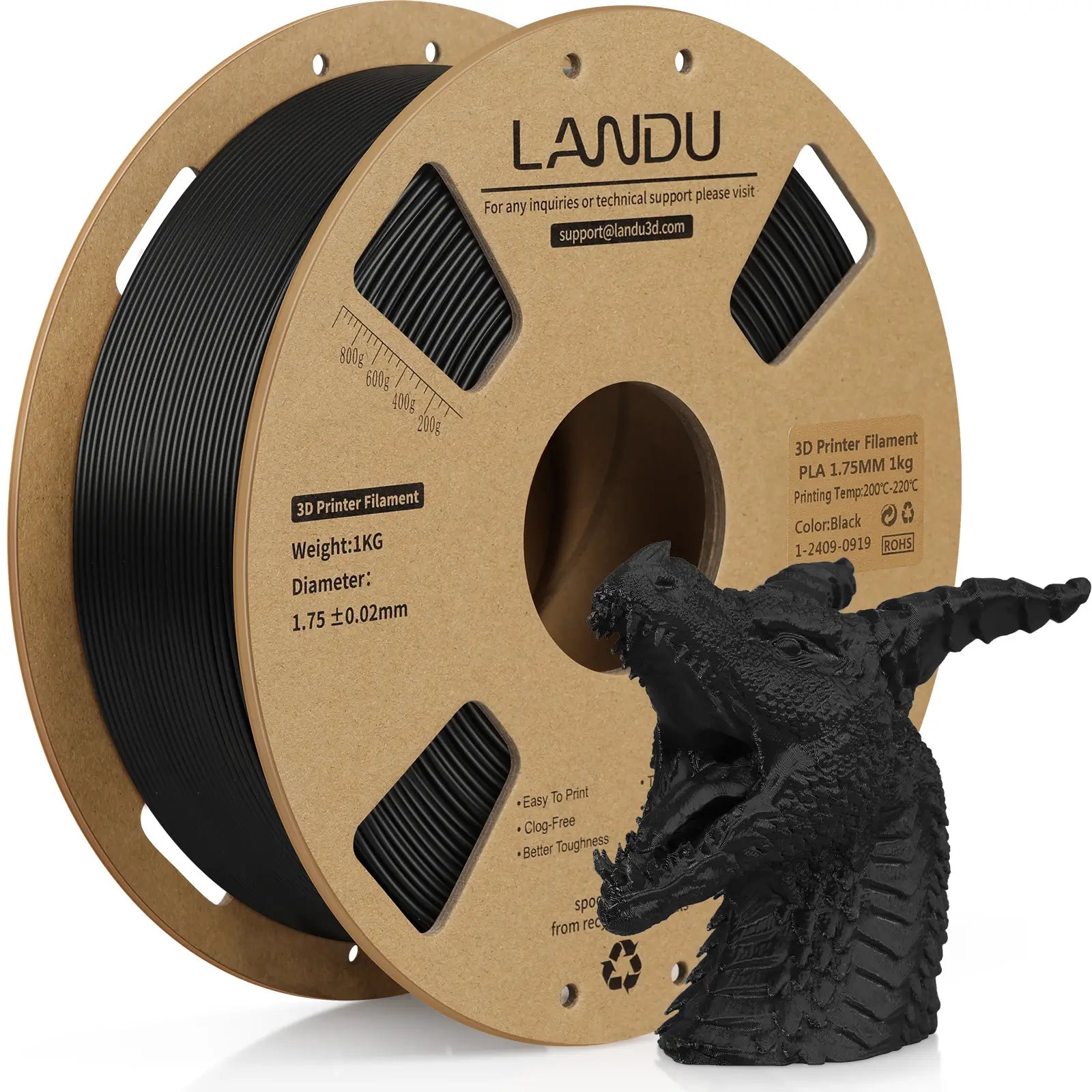
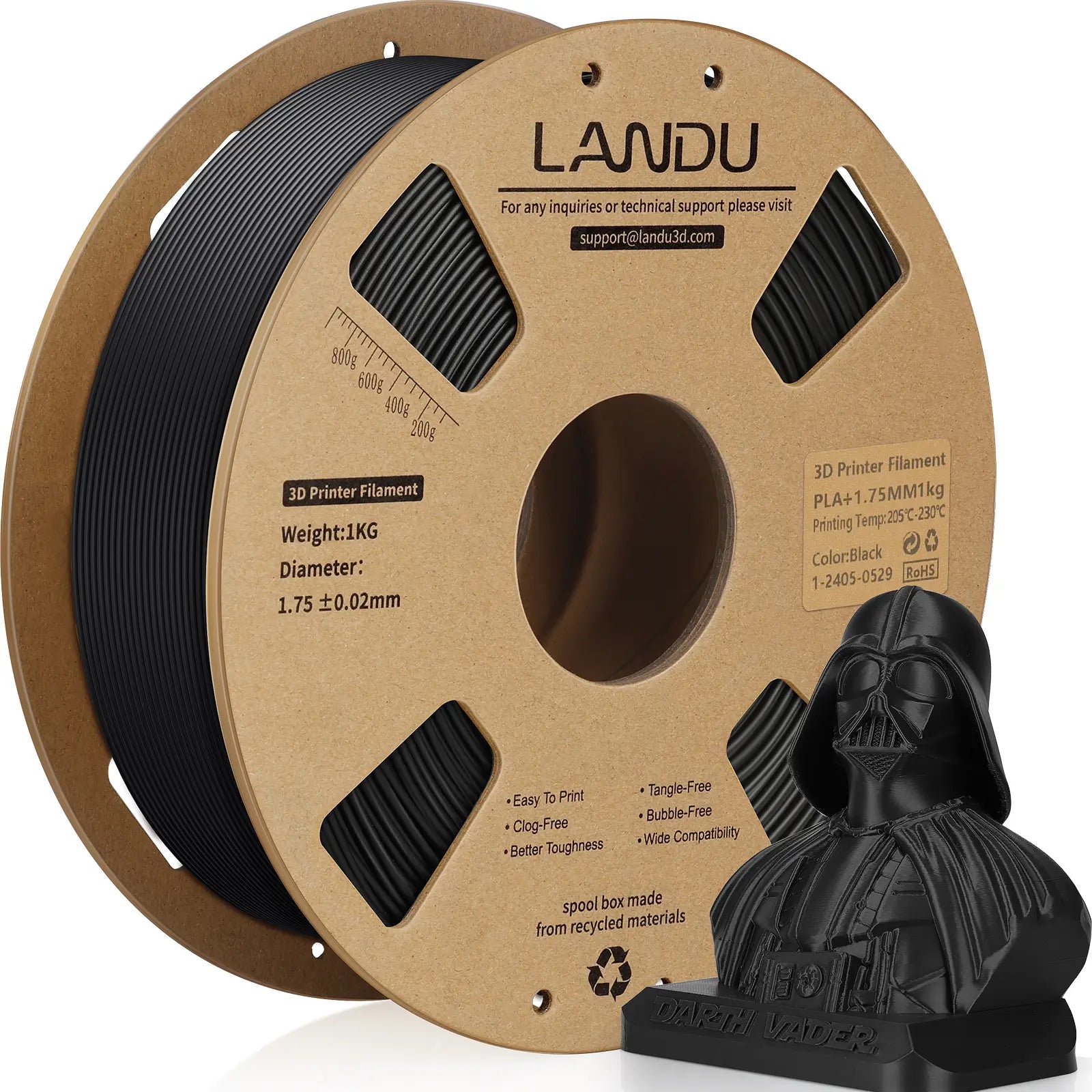


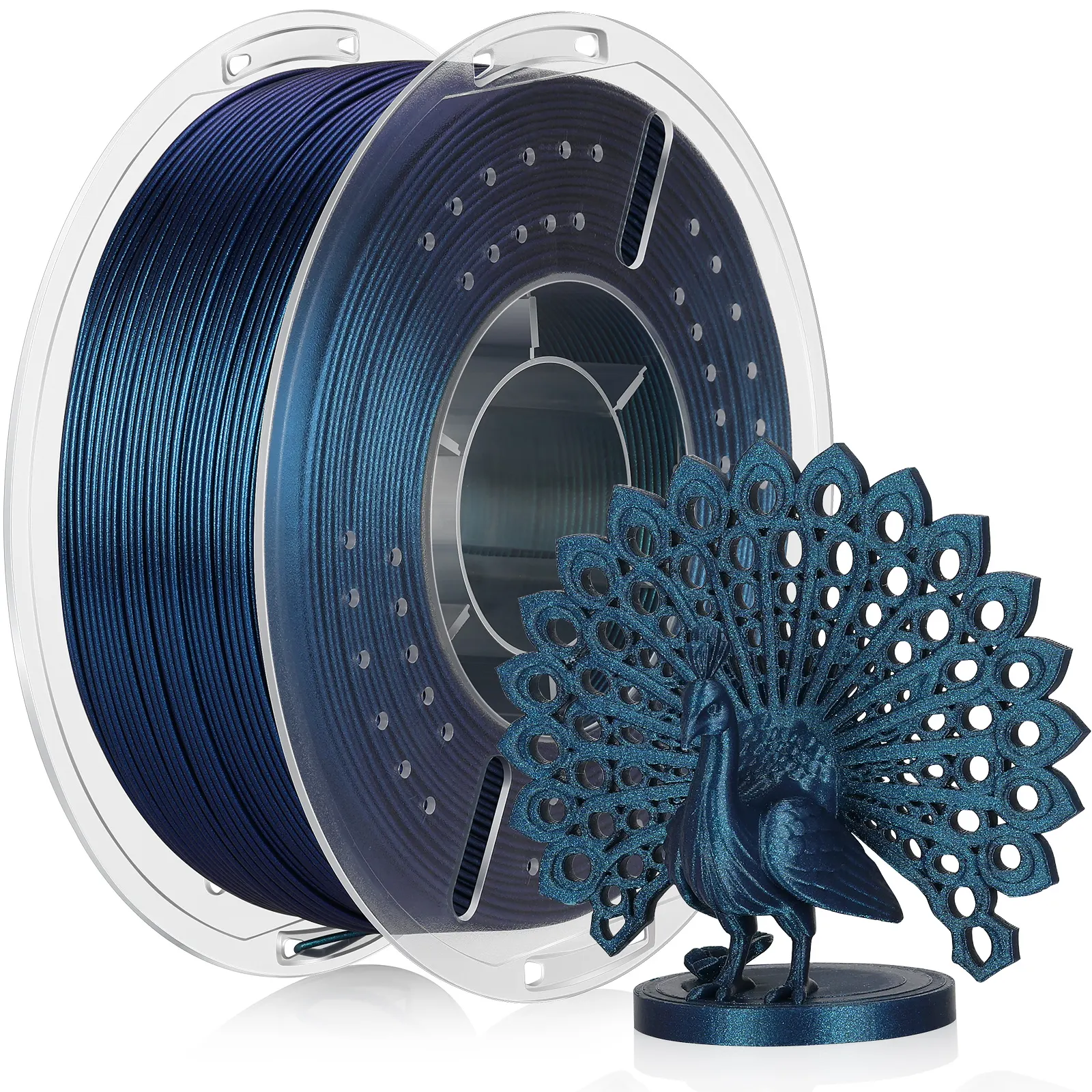

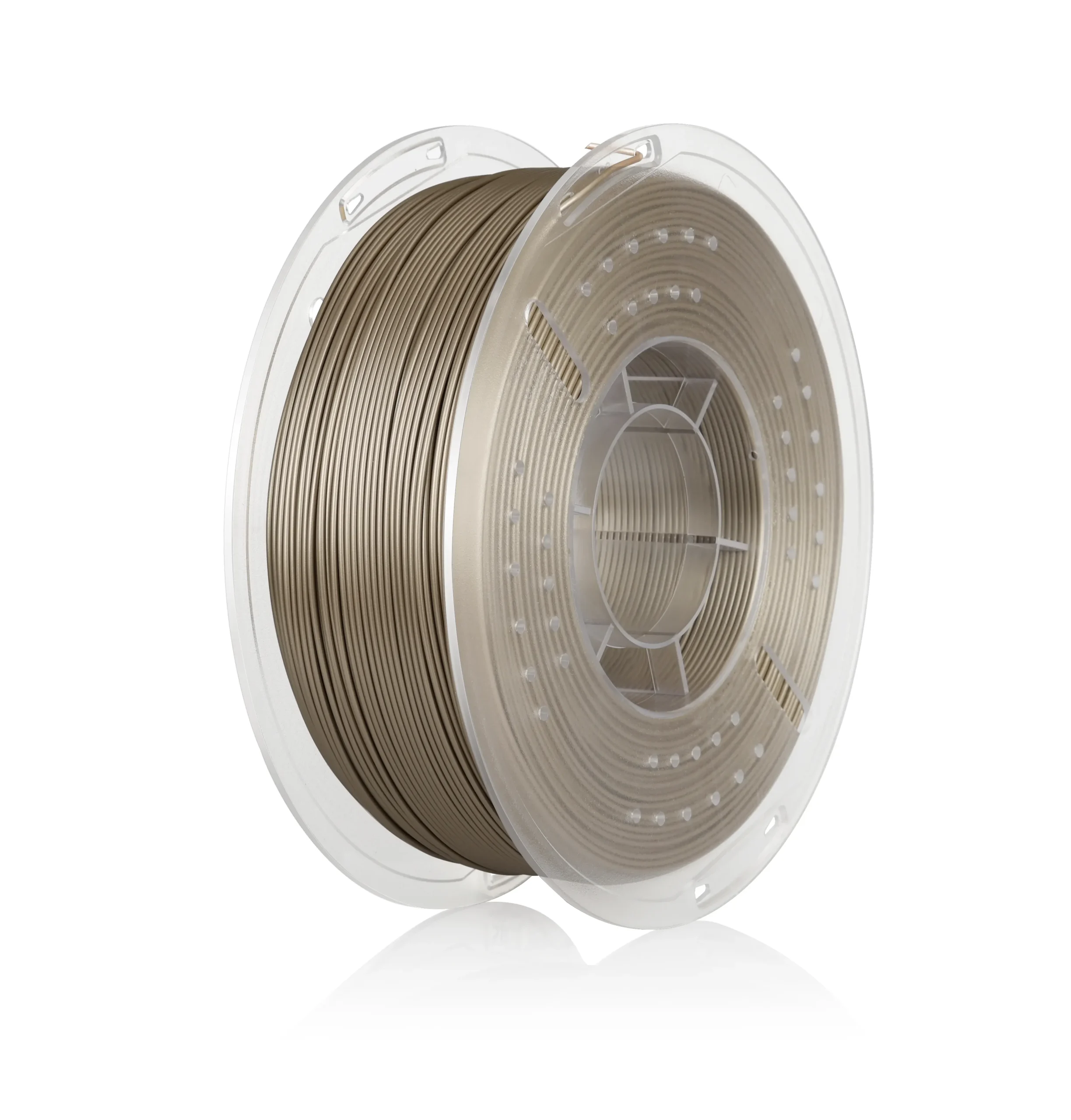
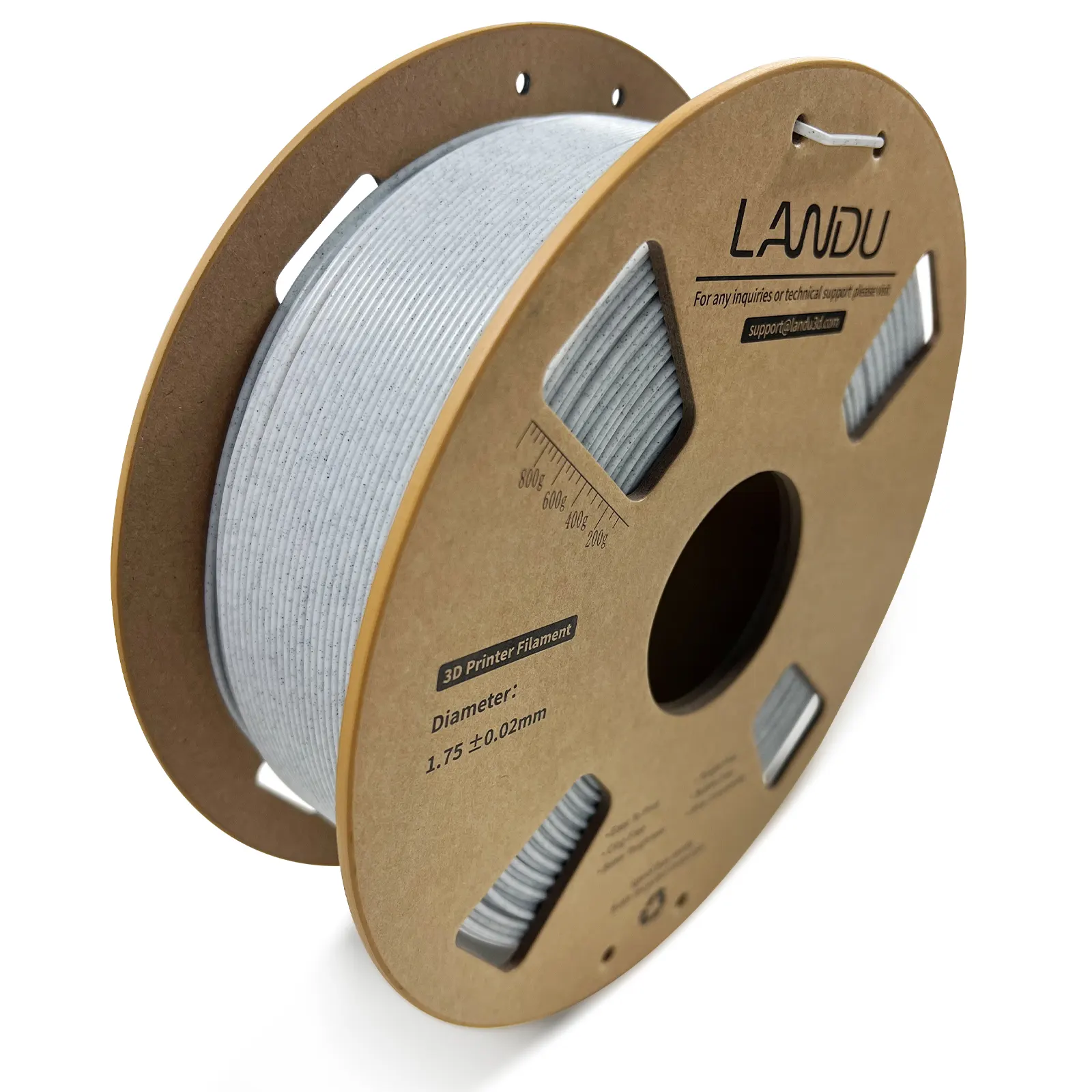

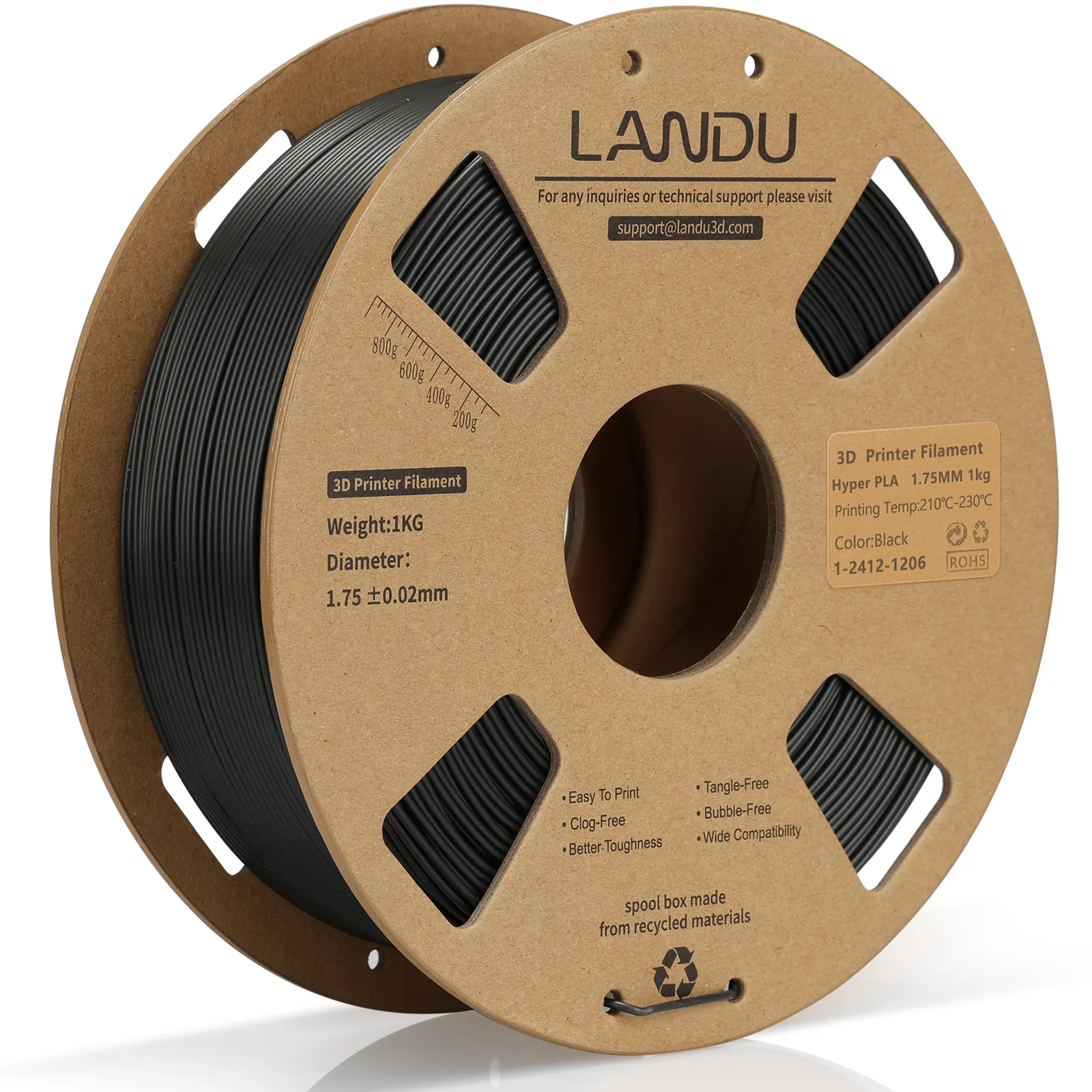
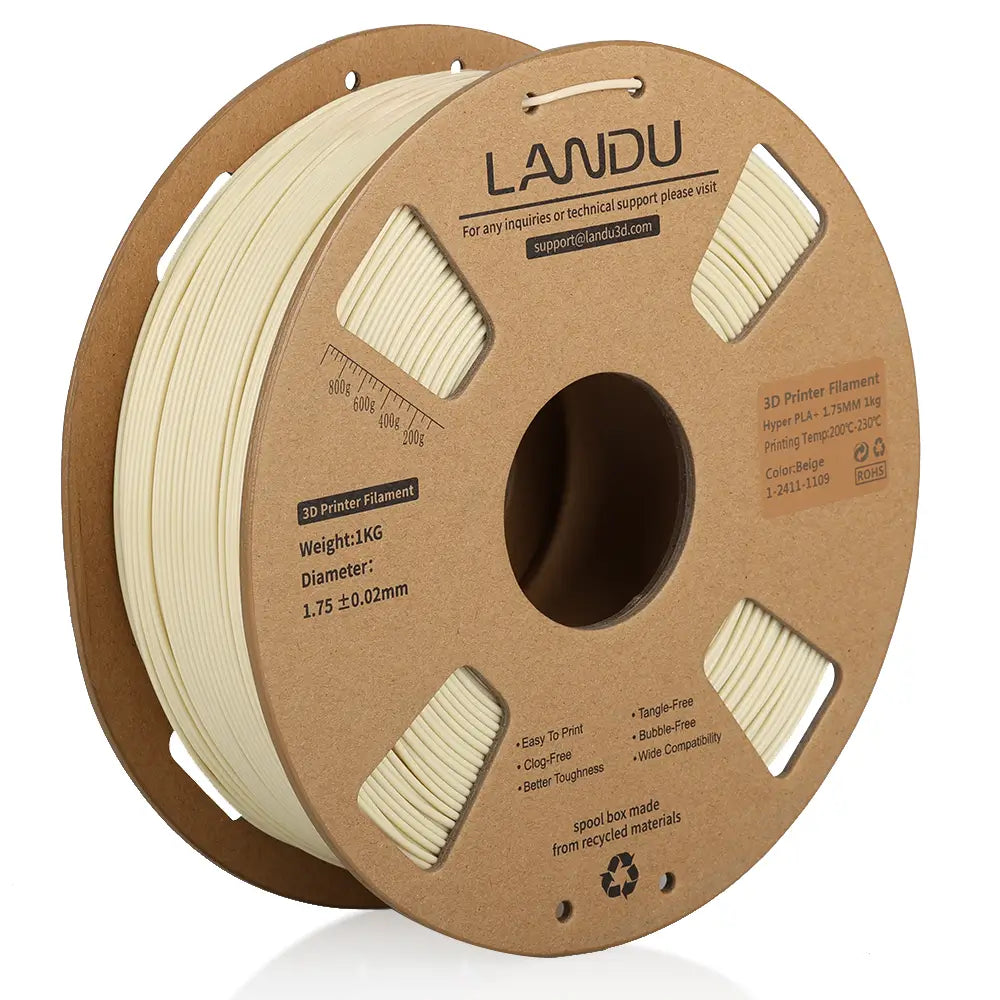


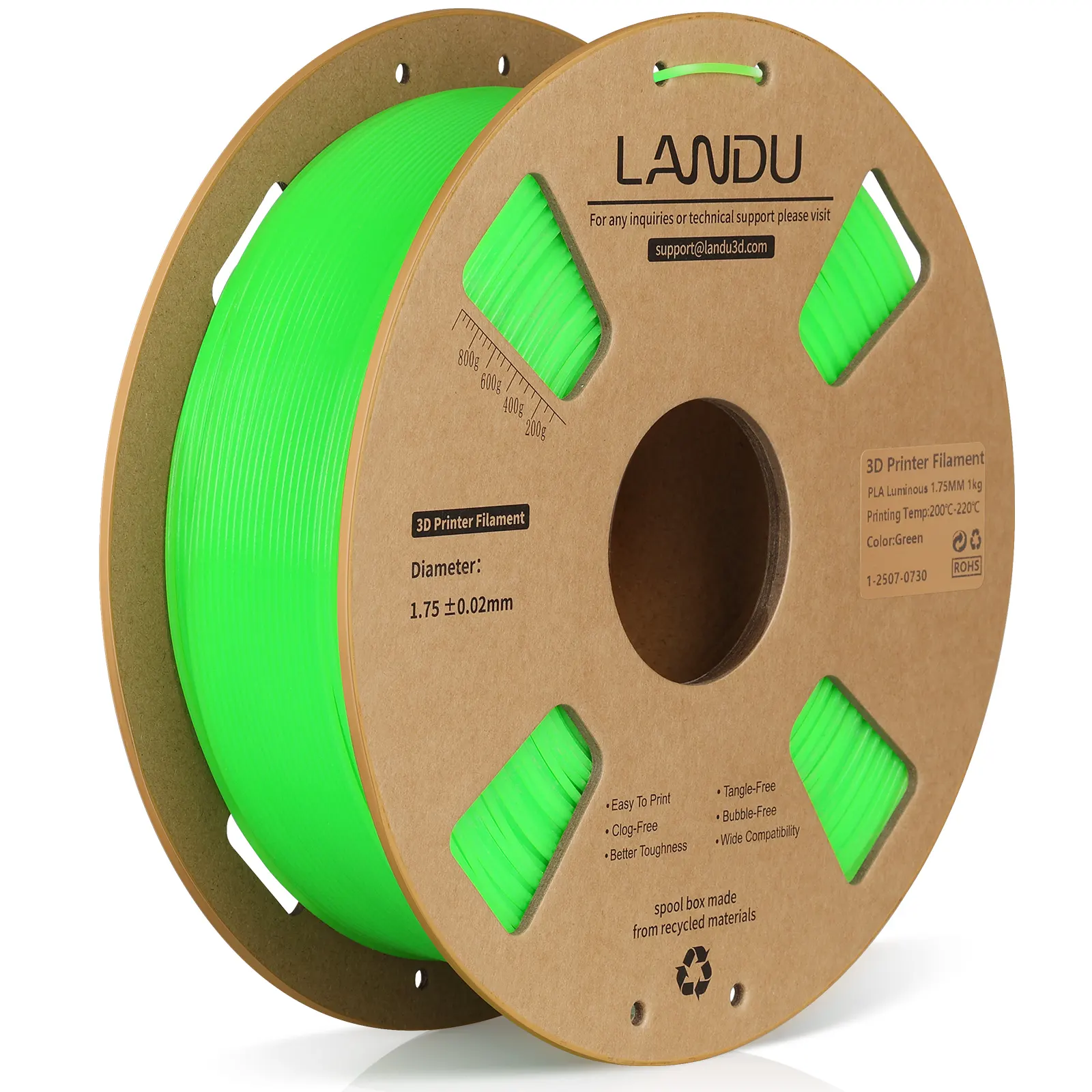


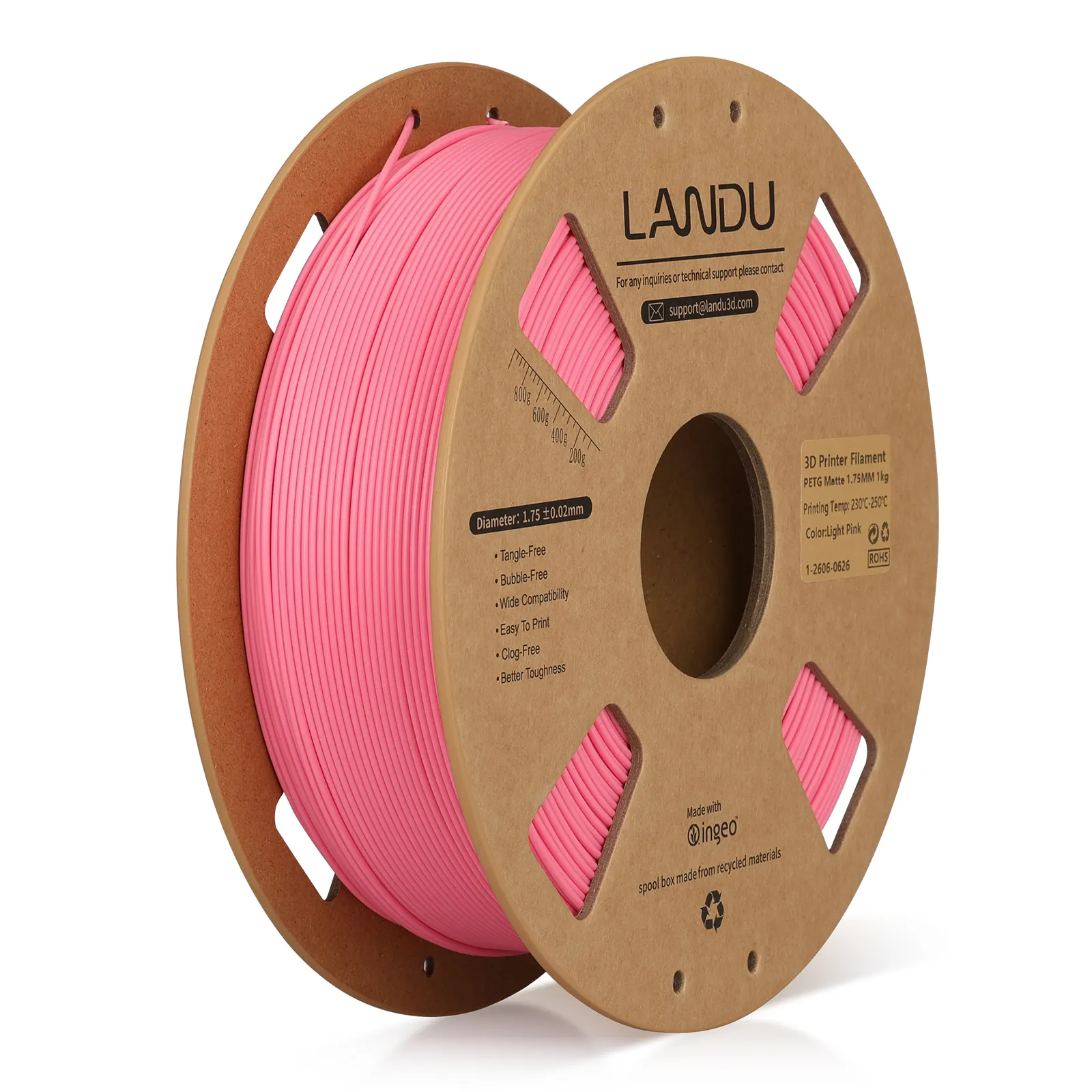







High-speed PLA lets modern printers run far faster than standard profiles, but speed only pays off when walls stay clean and layers bond well. A few structured checks will get you there faster than trial and error.
Start with temperature
Faster printing means the filament spends less time in the hot end. Most high-speed PLA needs to run 10–20 °C hotter than a standard profile. Print a temperature tower at your target speed, not at a slow calibration speed.
- Begin around 220 °C and step up in 5 °C increments
- Look for glossy, fully fused walls without stringing
- Keep the bed at 55–60 °C for consistent first layers
Match flow to your hot end
Every hot end has a maximum volumetric flow. If you exceed it, extrusion becomes thin and walls lose strength. Run a flow test and set your slicer limit slightly below the point where under-extrusion starts.
Cool hard, but evenly
High-speed PLA relies on strong part cooling to hold overhangs and fine detail. Use full fan speed after the first layers and check that airflow reaches both sides of the nozzle.
Once these three variables are dialled in, save the profile and reuse it across colors from the same LANDU high-speed PLA range for consistent results.